
7 signs you might be low on key nutrients (and what to eat)
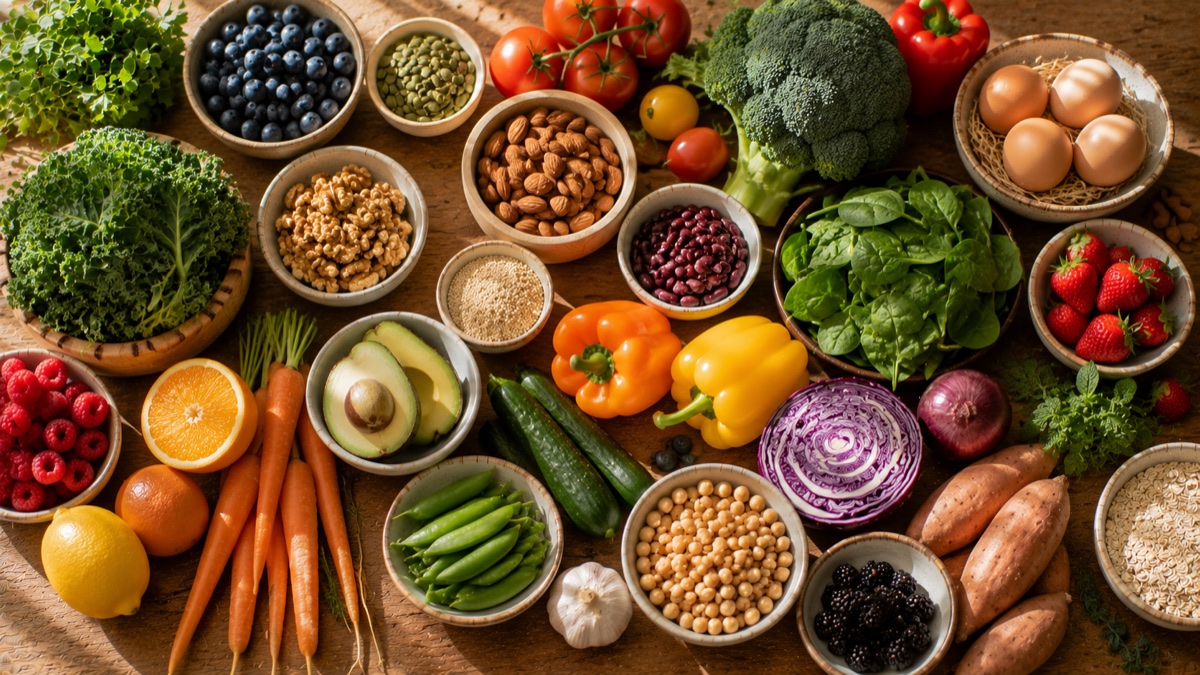
Your body is good at sending signals. Constant tiredness, sugar cravings, hair that falls out, brittle nails or poor sleep are often not “just life” — they can be early hints that you’re running low on a key nutrient. Here are seven common signs and the everyday foods that help.
1. Tiredness and pale skin — possible low iron
Low iron (and ferritin) is one of the most common deficiencies, especially in women. Signs: fatigue, breathlessness on stairs, pale skin, hair loss. Eat: red meat, liver, lentils, spinach — and pair plant iron with vitamin C (peppers, citrus) to absorb more.
2. Low mood and frequent colds — possible low vitamin D
If you rarely see the sun, low vitamin D is likely. It’s linked to low mood, frequent infections and weak bones. Eat: fatty fish, eggs, mushrooms — and ask your doctor about testing, since food alone often isn’t enough.
3. Tingling, fatigue, brain fog — possible low B12
Common on plant-based diets and after 50. Eat: fish, eggs, dairy, meat; vegans should supplement B12 — it’s the one nutrient a plant-based diet can’t reliably cover.
📱 Want this on your phone? The free K Lab app gives you an assessment, a meal plan and a symptom tracker.
Download the app →4. Cramps, poor sleep, sugar cravings — possible low magnesium
Stress and processed diets drain magnesium. Eat: dark leafy greens, nuts, seeds, beans, cocoa.
5. Frequent colds and slow healing — possible low zinc
Eat: seafood, pumpkin seeds, eggs, legumes.
6. Dry skin and dull mood — possible low omega-3
Eat: oily fish 2–3× a week, or flax and walnuts for the plant form.
7. Bloating and irregular digestion — too little fibre diversity
A narrow diet starves your gut bacteria. Aim for 30 different plants a week — vegetables, fruit, legumes, nuts, seeds, whole grains and spices all count.
Evidence-based PDF guides — anti-age, gut health, detox and more. Get them free, straight to your inbox.
Browse the guides →Want to know which of these apply to you?
The free K Lab assessment turns your symptoms into a personalized read — which deficiencies to consider, which lab tests are worth doing, and a meal plan to match. Takes a few minutes.
Get K Lab on your phone
A free assessment, a 7-day meal plan, symptom and habit tracking — in English, Spanish and Russian.
Free to download — no card needed to start.
This article is educational and not a diagnosis. Persistent symptoms or out-of-range lab results should be discussed with your doctor; don’t self-prescribe high-dose supplements. Using K Lab does not create a doctor–patient relationship. Full medical disclaimer.