
The truth about superfoods: hype vs. what actually works
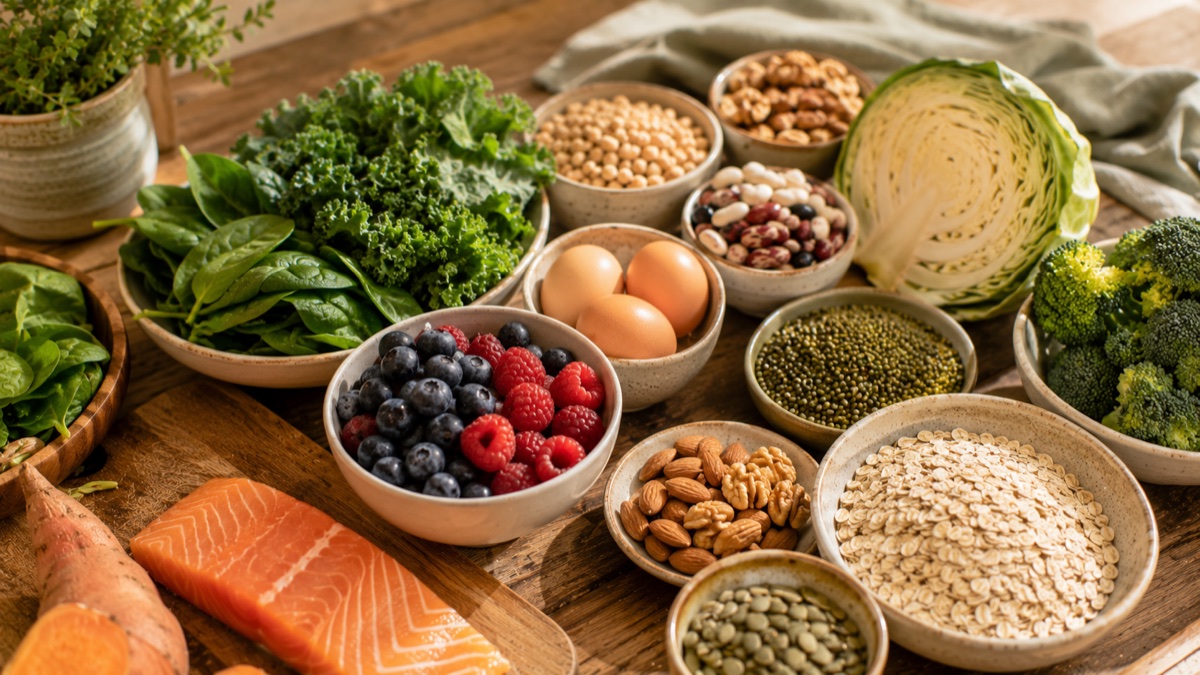
Spirulina, goji berries, exotic powders with big promises — the word superfood is everywhere, usually next to a high price tag. Here's the honest version: no single food is magic, and the healthiest diets aren't built on a hero ingredient. They're built on variety.
What 'superfood' really means
Nutritionally, a food is called a superfood when it packs a lot of nutrients — vitamins, minerals, antioxidants — into a small amount. That's a genuinely useful idea. But 'superfood' has no official or regulated definition; it is a marketing label, not a scientific category. That gap is exactly where the hype lives: a food can be nutrient-dense and still not do anything dramatic on its own.
Why no single food is a shortcut
Your body doesn't run on one nutrient or one ingredient. It needs a broad mix — protein, fiber, healthy fats, dozens of vitamins and minerals, and the thousands of plant compounds spread across different foods. No berry or powder delivers all of that, and eating a lot of one 'super' food while the rest of your diet is poor changes very little. The research is consistent on this: benefits come from overall eating patterns rich in vegetables, fruit, whole grains, legumes, nuts and seeds — not from any single item. If a product promises to detox or cure on its own, that's a red flag; see why detox diets don't really work.
📱 Want this on your phone? The free K Lab app gives you an assessment, a meal plan and a symptom tracker.
Download the app →Cheap local foods can match the exotic ones
Here's the freeing part: the ordinary foods in your local market are often just as nutrient-dense as the imported ones. A few honest examples backed by good evidence:
- Berries — blueberries and other local berries are rich in fiber and antioxidant compounds, no goji import required;
- Cabbage and broccoli — everyday cruciferous vegetables bring fiber and beneficial plant compounds like sulforaphane;
- Sauerkraut and other fermented foods — a cheap source of live bacteria that help feed a healthy gut microbiome;
- Leafy greens, beans and lentils, seeds, oats — nutrient-dense staples that cost a fraction of trendy powders.
Exotic superfoods aren't bad — they're just not required, and rarely worth their premium over local equivalents.
What to do instead
Skip the hunt for one magic ingredient and aim for a well-built plate most days: half vegetables and fruit, a quality protein, a whole-grain or legume carb, and some healthy fat. Eat a range of colors and food groups across the week so you cover more nutrients naturally. That approach — see the balanced plate method — beats any single superfood, and it's cheaper and more sustainable too.
Evidence-based PDF guides — anti-age, gut health, detox and more. Get them free, straight to your inbox.
Browse the guides →Frequently asked questions
Are superfoods actually good for you?
Many foods labeled 'superfoods' are genuinely nutritious, but 'superfood' is a marketing term with no official definition. They're a fine part of a varied diet — just not magic, and no single one replaces an overall healthy eating pattern.
Do I need expensive exotic superfoods to be healthy?
No. Affordable local foods like berries, cabbage, broccoli, beans, leafy greens and fermented foods are just as nutrient-dense. Variety across whole foods matters far more than any single imported ingredient.
Can one superfood make up for an unhealthy diet?
No. Adding one nutrient-dense food to an otherwise poor diet changes little. Health benefits come from your overall eating pattern — plenty of vegetables, fruit, whole grains, legumes, nuts and seeds — not from a single item.
Sources
Variety made simple
The free K Lab assessment builds a 30-day plan and shopping list from varied, nutrient-dense whole foods — matched to your tastes and budget, no exotic powders required.
Get K Lab on your phone
A free assessment, a 7-day meal plan, symptom and habit tracking — in English, Spanish and Russian.
Free to download — no card needed to start.
This article is educational and not medical advice. For personalized dietary needs, consult a qualified professional. Using K Lab does not create a doctor–patient relationship. Full medical disclaimer.