
High cholesterol: how diet can support healthier numbers
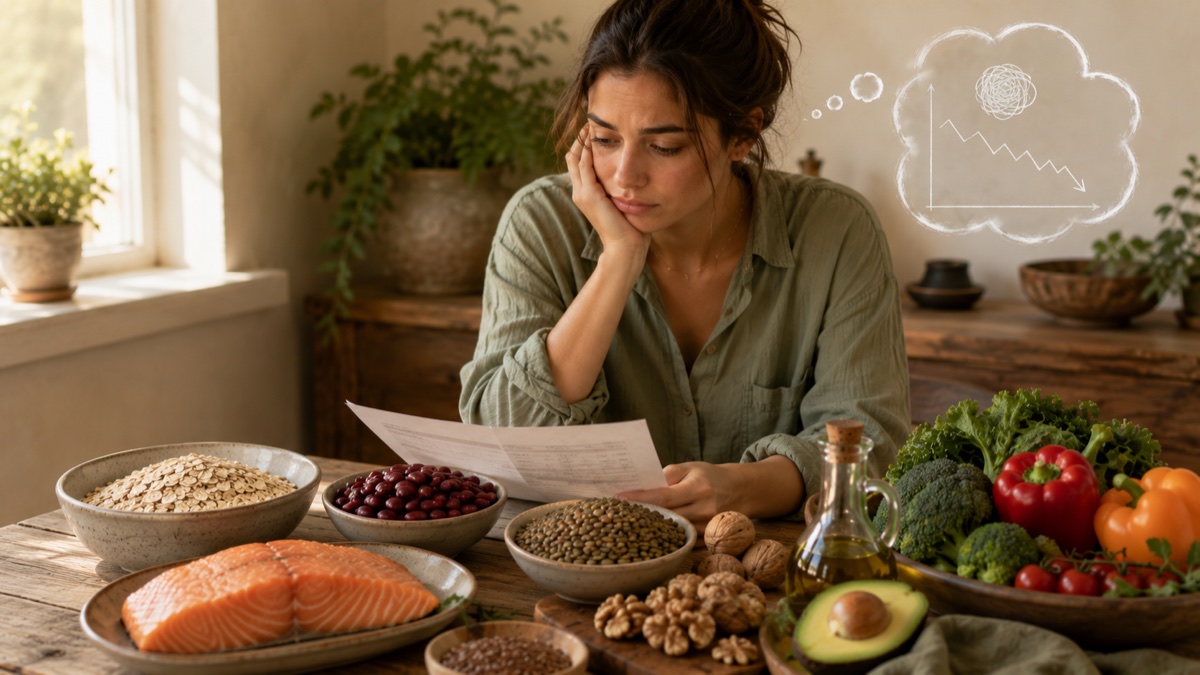
If a blood test has flagged your cholesterol as high, it is natural to want to know what you can do about it. The reassuring news is that everyday food choices genuinely help — and the changes are the same ones that support your heart overall. Just as important: diet works alongside your doctor's care, not instead of it, and it never replaces any medication you have been prescribed.
What cholesterol actually is
Cholesterol is not a villain. Your body needs it to build cell membranes, make hormones and vitamin D, and produce bile that helps digest fat. In fact, your liver makes most of the cholesterol in your body; only a smaller share comes from food. What matters for heart health is the balance between LDL (often called the “less helpful” carrier) and HDL, and how your overall metabolism handles it. That is why the goal is a healthier pattern, not fear of a single food.
Soluble fibre: the quiet workhorse
Soluble fibre is one of the best-studied dietary tools for cholesterol. It forms a gel in the gut that binds some cholesterol and carries it out, so your body draws on its own stores. Aim to build meals around oats and barley, beans, lentils and chickpeas, apples, pears and citrus, plus vegetables. If you are not used to much fibre, add it gradually and drink more water. For the bigger picture on fibre, see our guide to eating more fibre.
Choose better fats
The type of fat matters more than simply avoiding fat. Lean toward unsaturated fats — olive oil, avocado, nuts and seeds, and oily fish like salmon or sardines. At the same time, ease back on saturated fat (fatty and processed meats, butter-heavy baked goods) and cut trans fats wherever you can. Trans fats hide in some fried and packaged foods; checking labels for “partially hydrogenated oils” is a simple habit.
📱 Want this on your phone? The free K Lab app gives you an assessment, a meal plan and a symptom tracker.
Download the app →Fewer ultra-processed foods, more whole plants
Diets high in refined carbohydrates, added sugar and ultra-processed snacks tend to work against healthy cholesterol and blood-sugar balance. Shifting toward whole plants — vegetables, legumes, whole grains, nuts — and cooking more at home does much of the heavy lifting. Since cholesterol also depends on healthy bile and fat digestion, you may find our note on bile and fat digestion useful.
The honest role of diet
Here is the honest part: for many people, food and activity meaningfully improve cholesterol, but for others — especially with a strong family history — genetics keep numbers high no matter how well they eat. That is not a personal failure, and it is exactly why medication exists. Diet and medicine are teammates. Never stop or change a prescribed medication on your own; talk with your doctor about what your numbers mean for you and how food fits your plan.
Evidence-based PDF guides — anti-age, gut health, detox and more. Get them free, straight to your inbox.
Browse the guides →Frequently asked questions
Can diet alone lower high cholesterol?
For some people diet and activity improve cholesterol meaningfully, but for others — especially with a strong family history — genetics keep numbers high regardless. Food is a valuable support, not a guaranteed replacement for medical care. Your doctor can tell you what your numbers mean.
Which foods help lower cholesterol?
Soluble fibre from oats, barley, beans and fruit; unsaturated fats from olive oil, nuts and oily fish; and plenty of vegetables, legumes and whole grains. Easing back on saturated and trans fats and ultra-processed foods matters just as much.
Should I stop my cholesterol medication if I eat well?
No. Never stop or change a prescribed medication on your own. Diet works alongside medicine, not instead of it. If you want to discuss your medication, that is a conversation to have with your doctor.
Build meals that support your heart
The free K Lab assessment turns your goals and tastes into a plan rich in soluble fibre, healthy fats and whole plants — a practical companion to your doctor's guidance, from a K Lab health coach.
Get K Lab on your phone
A free assessment, a 7-day meal plan, symptom and habit tracking — in English, Spanish and Russian.
Free to download — no card needed to start.
This article is educational and not medical advice; discuss your cholesterol and any medication with your doctor, and never stop a prescribed medicine on your own. Using K Lab does not create a doctor–patient relationship. Full medical disclaimer.