
Feeling heavy or nauseous after fatty meals? How bile and fat digestion work
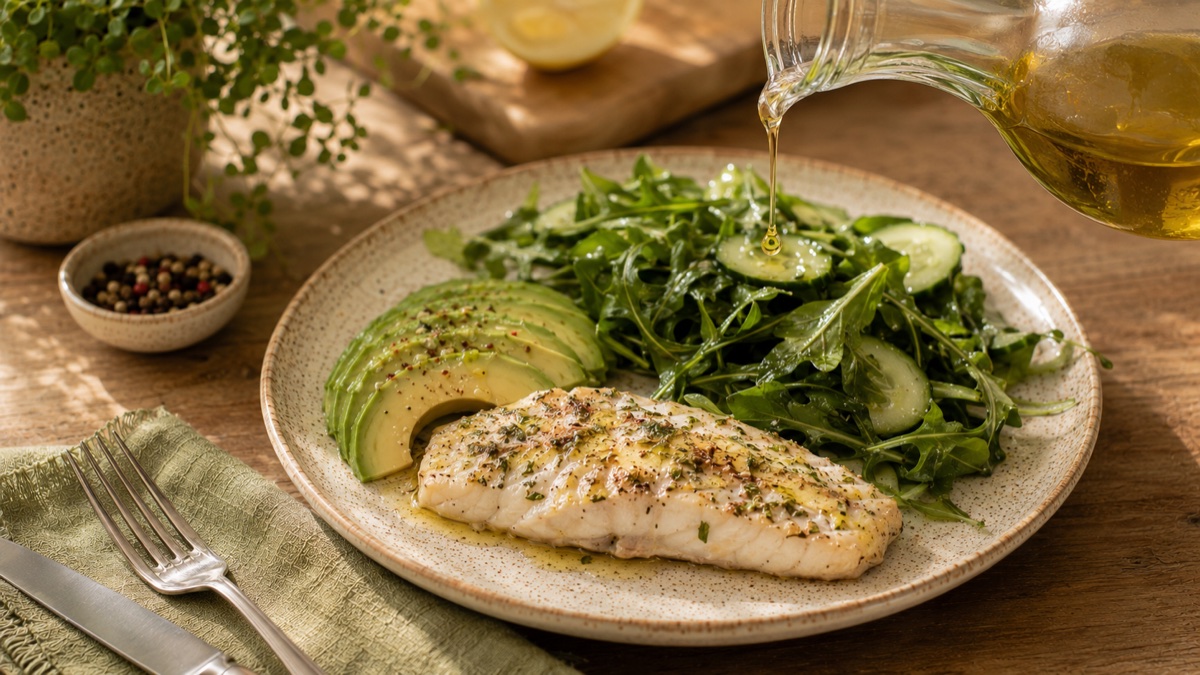
If a creamy sauce, fried food or a big steak leaves you feeling heavy, queasy or bloated for hours, the issue is often fat digestion — and the fluid that drives it, bile. Fat is harder to break down than carbs or protein, and when the system that handles it is under-supported, meals sit uncomfortably. The good news: for most people, a few everyday habits help. This article explains how it works and what genuinely supports it — while flagging the symptoms that mean you should see a doctor instead.
What bile does and why fat feels heavy
Bile is your body's fat detergent. It's made in the liver, stored and concentrated in the gallbladder, and released into the small intestine when a meal — especially a fatty one — arrives. There, bile acids emulsify fat: they break large fat droplets into tiny ones so digestive enzymes can reach them and your body can absorb the fat, along with fat-soluble vitamins A, D, E and K. When fat isn't emulsified well, it lingers, which can feel like fullness, heaviness, nausea or upper-belly discomfort after rich meals. This overlaps with ordinary bloating after meals, so fatty foods are a useful clue to watch.
Signs your bile flow may be sluggish
The classic pattern is discomfort that tracks with fat intake. People with sluggish bile flow often notice queasiness or a heavy, over-full feeling after fatty or fried meals, bloating, or feeling like food 'sits' too long. Because fat carries fat-soluble vitamins and bile helps keep stool moving, some also notice pale or greasy stools or constipation. None of these are diagnostic on their own — they simply suggest fat digestion is worth supporting. But some symptoms are different: intense pain in the upper-right abdomen, yellowing of the skin or eyes (jaundice), fever, or vomiting can signal gallstones or a blocked bile duct and are a reason to seek urgent medical care, not a home remedy.
📱 Want this on your phone? The free K Lab app gives you an assessment, a meal plan and a symptom tracker.
Download the app →How to support bile and fat digestion gently
The aim is steady, well-timed bile flow — not a 'cleanse'. Evidence-friendly habits:
- Don't fear all fat. Fat itself triggers the gallbladder to release bile, so very-low-fat eating can leave bile stagnant. Include moderate healthy fats — olive oil, avocado, nuts, oily fish — spread across meals rather than one huge fatty hit.
- Eat bitter greens. Rocket, dandelion greens, chicory and endive have a bitter taste traditionally linked to digestive stimulation; they're also nutritious vegetables worth eating regardless.
- Get enough fiber. Soluble fiber binds bile in the gut and supports healthy elimination, which is part of a normal bile cycle.
- Hydrate. Adequate water helps keep bile fluid rather than thick.
- Keep meals regular and unrushed. Skipping meals means the gallbladder sits full for long stretches; eating on a rhythm, chewing well and not overloading one meal all help. See gut-health basics.
What to avoid: so-called 'gallbladder flushes' or 'liver cleanses' (oil-and-juice protocols) are not supported by good evidence and can be risky — a flush can trigger a stone to move and lodge in a duct, which is a medical emergency. Detox marketing overpromises here; see why detox diets don't do what they claim.
Evidence-based PDF guides — anti-age, gut health, detox and more. Get them free, straight to your inbox.
Browse the guides →Frequently asked questions
Why do I feel sick after eating fatty food?
Fat is the hardest macronutrient to digest and relies on bile to emulsify it. If bile flow is sluggish or your gallbladder is under-supported, fatty meals can sit longer and cause heaviness, queasiness or bloating. Persistent or severe symptoms should be checked by a doctor.
Should I eat a low-fat diet to feel better?
Not necessarily. Fat itself triggers the gallbladder to release bile, so very-low-fat eating can leave bile stagnant. For most people, moderate healthy fats spread across meals — plus fiber, water and regular meals — support digestion better than cutting fat to near zero.
Are liver cleanses or gallbladder flushes safe?
No — 'gallbladder flushes' and 'liver cleanses' aren't backed by good evidence and can be risky. A flush may prompt a stone to move and block a bile duct, which is a medical emergency. Support bile with everyday habits instead, and see a doctor for severe pain, jaundice or fever.
Meals that go down easier
The free K Lab assessment builds a balanced plan with the right kind of fats, plenty of fiber and a regular meal rhythm — so rich meals feel lighter without extreme restriction.
Get K Lab on your phone
A free assessment, a 7-day meal plan, symptom and habit tracking — in English, Spanish and Russian.
Free to download — no card needed to start.
This article is educational and not medical advice. Severe upper-belly pain, jaundice, fever or persistent vomiting need urgent medical care. Using K Lab does not create a doctor–patient relationship. Full medical disclaimer.