
Perimenopause diet and nutrition: what to eat and why
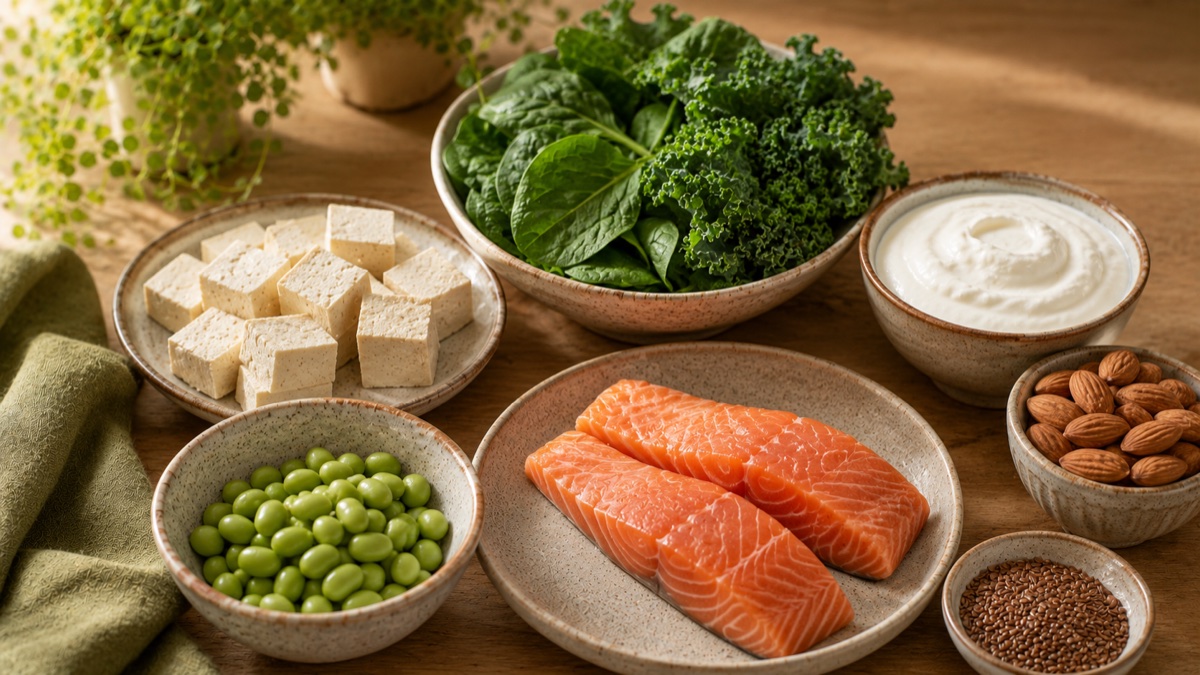
Perimenopause and menopause aren't a problem to fix with food — they're a natural transition, usually between the mid-40s and mid-50s. But the way you eat genuinely shapes how you feel and how well you protect your long-term health. As estrogen gradually declines, your body's needs shift: muscle and bone become more vulnerable, blood sugar can swing more easily, and weight tends to settle differently. The good news is that a few evidence-based priorities cover most of what matters. To be clear up front: food supports you through this stage — it doesn't replace medical care, and it isn't a substitute for hormone therapy if you and your doctor decide that's right for you.
Prioritize protein to protect muscle
The single most useful shift is eating more protein, spread across the day. Falling estrogen makes it easier to lose muscle and harder to build it, so protein does more heavy lifting now than it did at 30. Aim for a palm-sized portion at each meal — around 25–30 g — from eggs, fish, poultry, dairy, legumes, tofu or tempeh. Our guide on how much protein you need breaks down the targets. Pair this with regular resistance or weight-bearing activity, which is what actually turns dietary protein into preserved strength.
Protect your bones: calcium, vitamin D and more
Estrogen helps keep calcium in your bones, so its decline speeds up bone loss — making the menopause transition the key window to protect skeletal health. Build meals around calcium-rich foods (dairy, fortified plant milks, canned fish with bones, tofu set with calcium, leafy greens) and make sure your vitamin D status is adequate, since it's needed to absorb that calcium — many people need a supplement, which your doctor can check with a simple blood test. Magnesium and vitamin K from nuts, seeds, whole grains and greens play supporting roles too; see our note on magnesium. Going easy on excess alcohol, smoking and very high caffeine helps, as these work against calcium balance.
📱 Want this on your phone? The free K Lab app gives you an assessment, a meal plan and a symptom tracker.
Download the app →Phytoestrogens: a measured look
Some plants — soy (edamame, tofu, tempeh), flaxseed and, to a lesser degree, cruciferous vegetables and legumes — contain phytoestrogens, plant compounds loosely similar in structure to estrogen. You'll see them promoted heavily for hot flashes. Here's the honest picture: the evidence is genuinely mixed. Some studies suggest soy foods or ground flaxseed may modestly ease symptoms for some women, while others show little effect, and responses vary from person to person. It's reasonable to enjoy these as part of a varied diet — they're nourishing foods in their own right — but treat them as possible gentle support, not a guaranteed remedy. Importantly, if you have a history of a hormone-sensitive condition, talk to your doctor before using concentrated soy or phytoestrogen supplements. Whole foods in normal amounts are a different matter from high-dose extracts.
Fiber, gut and steady blood sugar
Two quieter shifts make a real difference. First, fiber: it supports digestion (constipation is common in this stage), feeds your gut microbiome, and helps manage cholesterol, which often rises after menopause. Most women fall short — our guide on eating more fiber makes it easy. Second, blood-sugar stability: insulin sensitivity tends to dip, so meals built around protein, fiber and slow carbs — rather than refined sugar and white flour — help avoid the spikes and crashes that fuel fatigue, cravings and irritability. Our guide to foods for steady energy covers the pattern. As body composition shifts toward more abdominal fat, this steady, protein-forward, plant-rich way of eating is your most reliable ally — no drastic dieting required, which tends to backfire by costing you muscle.
Evidence-based PDF guides — anti-age, gut health, detox and more. Get them free, straight to your inbox.
Browse the guides →Frequently asked questions
What should I eat more of during perimenopause and menopause?
Focus on protein at every meal to protect muscle, calcium and vitamin D for bone health, plenty of fiber, and slow carbs over refined sugar to steady blood sugar. Pair this with regular resistance exercise. It's a shift in emphasis, not a restrictive diet.
Do soy and flaxseed really help with hot flashes?
The evidence is mixed. Soy foods and ground flaxseed may modestly ease symptoms for some women, but not everyone responds, and they aren't a guaranteed remedy. They're nourishing as part of a varied diet. If you have a history of a hormone-sensitive condition, talk to your doctor before using concentrated soy or phytoestrogen supplements.
Can food replace hormone therapy?
No. Good nutrition supports how you feel and protects long-term muscle and bone health, but it doesn't replace hormone therapy or treat any medical condition. Whether HRT is right for you is a personal decision to make with your doctor; think of food as steady support alongside your care.
Nutrition that fits this stage of life
The free K Lab assessment builds a plan around protein, bone-friendly foods, fiber and steady blood sugar — tailored to your tastes and this stage of life.
Get K Lab on your phone
A free assessment, a 7-day meal plan, symptom and habit tracking — in English, Spanish and Russian.
Free to download — no card needed to start.
This article is educational and not medical advice. Menopause care, supplements and hormone therapy should be discussed with your doctor, especially with any history of hormone-sensitive conditions. Using K Lab does not create a doctor–patient relationship. Full medical disclaimer.