
Healthy cooking methods: keep the nutrition in your food
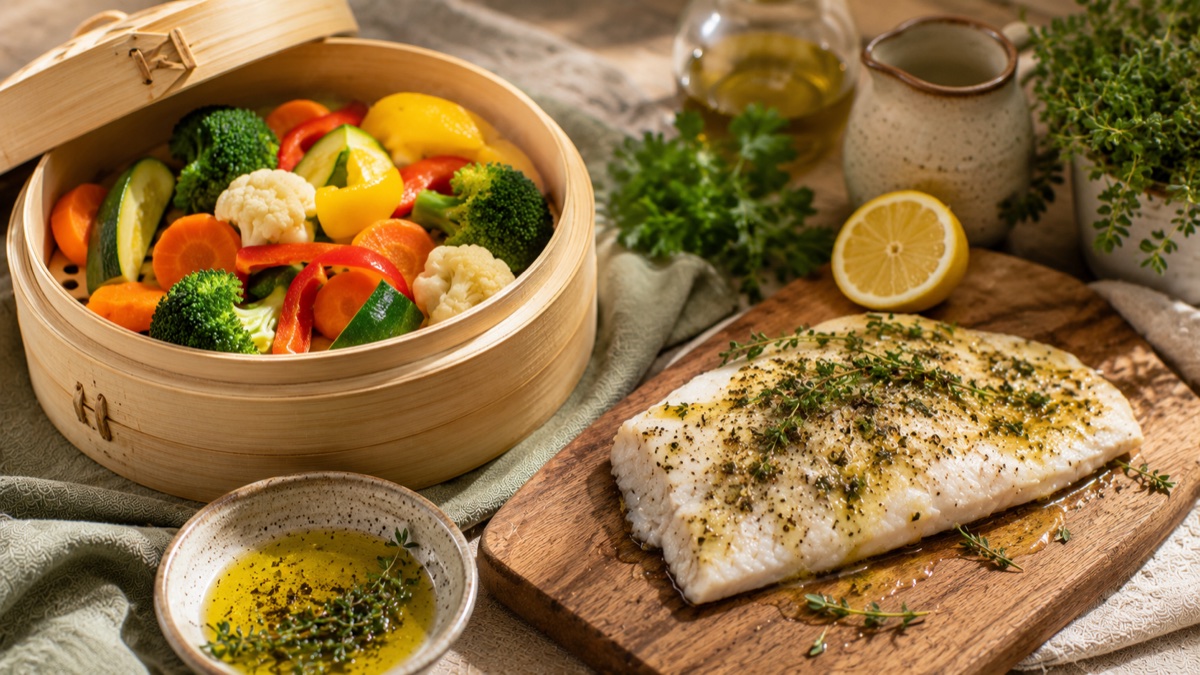
What you eat matters — but so does how you cook it. The same vegetable or piece of fish can reach the table nutrient-rich and light, or greasy and stripped of much of its goodness, depending on the method. A few simple habits keep more nutrition in and less added fat, char and salt out.
The gentlest methods
Cooking with moderate heat and little or no added fat protects both nutrients and flavor. The most reliable everyday methods are:
- Steaming — food never sits in water, so water-soluble vitamins stay in the food, not the pot;
- Stewing and braising — gently simmering in a little liquid, broth or the food's own juices;
- Baking and roasting — dry oven heat with little added oil, easily done on parchment.
All three let you cook without drowning food in oil, which keeps meals lighter.
Keep the nutrients in
Heat, water and time all leach nutrients, so small choices add up:
- use as little water as possible, or steam instead of boiling;
- cook vegetables until just tender, not mushy;
- keep skins on where you can — much of the fiber lives there;
- cut vegetables into larger pieces to reduce surface area.
How you cook starchy foods also affects how fast they raise blood sugar — softer, more processed textures tend to spike it more, one reason to cook grains and vegetables to just-tender. More on that in our guide to foods for steady energy.
📱 Want this on your phone? The free K Lab app gives you an assessment, a meal plan and a symptom tracker.
Download the app →Go easy on deep-frying and charring
Deep-frying adds a lot of fat and calories, and cooking at very high heat until food is blackened creates unwanted compounds. Two habits help:
- choose baking, steaming or stewing over deep-frying most days;
- avoid burnt, heavily charred or blackened surfaces — cook to golden, not black.
You don't have to fear a seared steak or roasted vegetables; it's the regular, heavy char that's worth trimming back.
Use the right fats and less salt
When you do use fat, a little goes a long way. For high heat, use a stable cooking oil and don't let it smoke; save delicate oils like extra-virgin olive or flax for dressing food after cooking. Build flavor with herbs, spices, garlic, lemon and a marinade rather than reaching for the salt shaker — you'll use far less added fat, sugar and salt without losing taste.
Evidence-based PDF guides — anti-age, gut health, detox and more. Get them free, straight to your inbox.
Browse the guides →Frequently asked questions
What is the healthiest way to cook?
There's no single winner, but steaming, stewing and baking are consistently gentle: they need little or no added fat and keep more nutrients in the food than deep-frying. Varying across these methods works well.
Does cooking destroy nutrients?
Some, yes — heat, water and long cooking times leach vitamins. You lose less by steaming instead of boiling, using little water, cooking until just tender, and keeping skins on.
Is fried food always unhealthy?
An occasional fried meal is fine. The issue is regular deep-frying, which adds a lot of fat and calories, and heavy charring. Most days, baking, steaming or stewing keeps meals lighter.
Sources
Recipes that cook the healthy way
The free K Lab assessment builds a plan of simple recipes using gentle methods like steaming, baking and stewing — matched to your tastes, with less added fat and salt.
Get K Lab on your phone
A free assessment, a 7-day meal plan, symptom and habit tracking — in English, Spanish and Russian.
Free to download — no card needed to start.
This article is educational and not medical advice. Adapt cooking methods to any condition or dietary needs with your doctor's guidance. Using K Lab does not create a doctor–patient relationship. Full medical disclaimer.